The Myth of the Clean Slate: Why New Leaders Fail in "Historic" Environments
When a new leader steps into an organization, the temptation to declare a tabula rasa—a clean slate—is incredibly powerful. Armed with the latest corporate methodologies, hot off a successful stint elsewhere, or simply eager to "make a mark," it’s easy to look at legacy processes and view them merely as obstacles to be cleared.
But organizations are rarely modern concrete boxes where you can just pour a fresh foundation. More often, they are historic structures.
I’m learning this first-hand while managing an apartment renovation in Venice.
In a city built on water, the physical environment dictates the rules. If you attempt to apply standard modern finishes—like synthetic, non-porous acrylic paints or rigid drywall—to centuries-old brick, you court disaster. Venice requires breathability. Historic walls constantly absorb and release moisture; they need traditional materials like calce (lime plaster) or specialized microcement. If you seal them up with unyielding, modern materials, the moisture gets trapped, internal pressure builds, and eventually, the entire surface cracks, blisters, and crumbles away.
In business transformation, the exact same structural failure happens when a leader forces a rigid, textbook framework onto an established corporate culture.
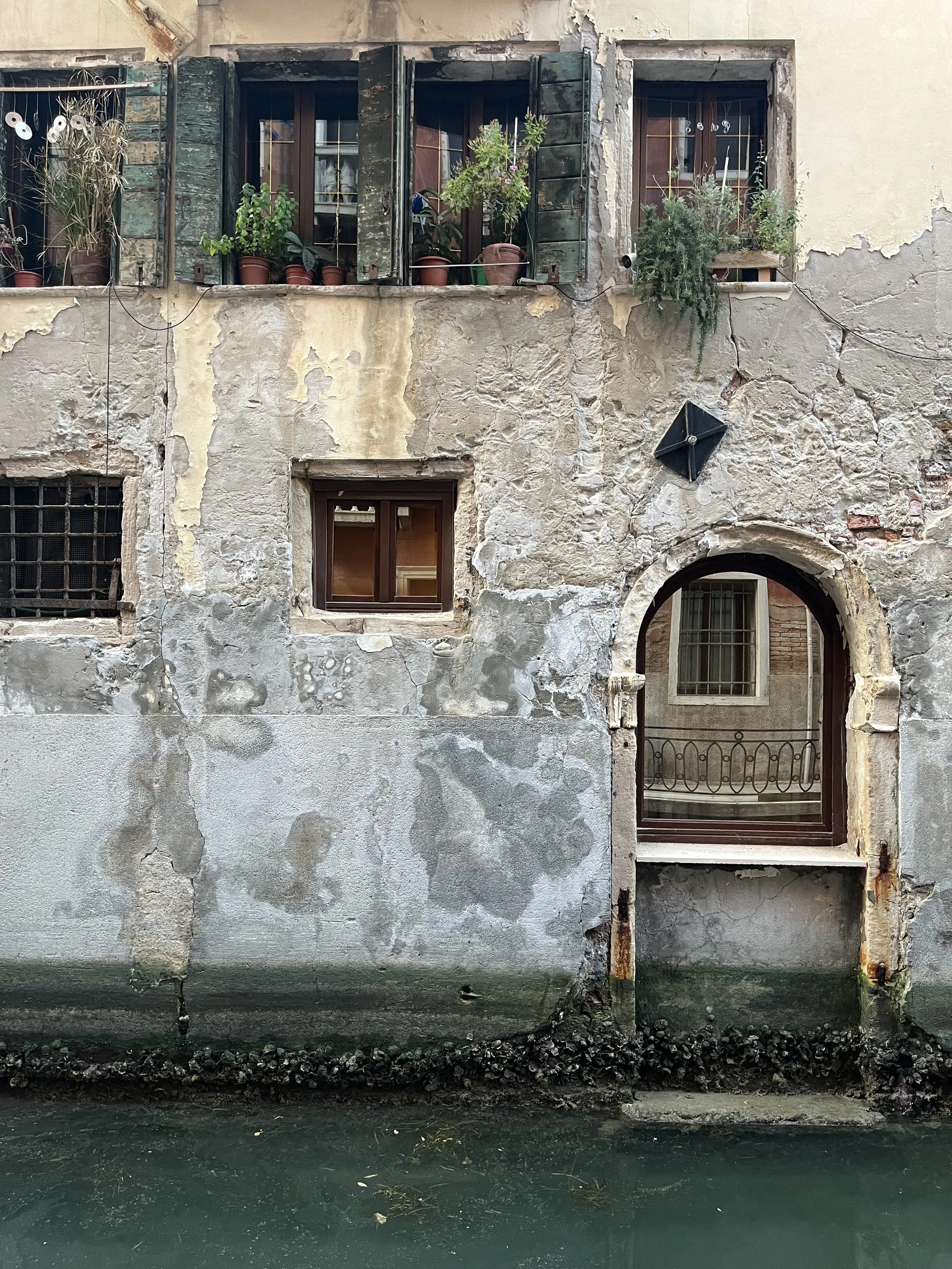
Layers of history on a Venetian canal: where centuries-old masonry meets modern restoration. A physical reminder that sustainable change requires working with the existing environment, not plastering over it.
The Hard Truth About the Metaphor
Let’s look at this honestly: anyone who has managed a historical renovation knows that using traditional materials like calce takes longer, requires patience, and demands more upfront effort than throwing up cheap drywall.
Skeptical executives might ask: Why waste the time?
Because of the hidden cost of re-work. Slapping cheap paint on a damp wall looks perfect on Day 1. By Day 180, it is peeling off in sheets.
The same applies to corporate overhauls. Forcing a rigid framework without understanding the existing environment creates immediate, invisible pushback. Workarounds multiply, morale drops, and internal friction builds up behind the scenes like trapped moisture. The strategy looks pristine in the launch presentation, but six months later, the implementation collapses.
Respecting the past does not mean preserving broken, inefficient, or toxic legacy systems. A crumbling floor still needs to be reinforced. But sustainable change requires a retrofitting mindset, not a demolition team.
A Leader’s Guide to "Breathable" Change
If you want your transformation to last, stop trying to build a modern box inside a historic structure. Instead, make your implementation framework flexible enough to handle the environment:
Uncover the "Why" Before the "What": Before replacing a messy legacy process, find out what problem it was originally built to solve. If an operations team is using a chaotic, manually updated spreadsheet, don't just ban it. Find out what critical gap that spreadsheet is plugging that your new software might be missing.
Translate, Don't Impose: Avoid implementing textbook frameworks verbatim. Leave room for the culture to breathe by adapting the methodology to use local company nuances, historical strengths, and existing terminology. If the team rejects the jargon, the framework fails.
Layer the Deployment: Just like letting plaster cure, change must be applied in manageable stages. Run small, isolated pilot programs to test the internal pressure of the team, gather direct feedback, and adjust the strategy before scaling it globally.
True innovation isn't about erasing history; it's about engineering the future while respecting the foundation.
Are you currently retrofitting a legacy organisation, or navigating a complex transition of your own? I would love to hear your thoughts and experiences on how you balance structural change with cultural heritage.
Connect with me on LinkedIn to continue the conversation around organisational change management, communications, and sustainable transformation.
