The Umbrella We Build
I was looking at this old family photograph recently. Here I am as a young boy, with my National Health specs and a bow tie, looking entirely, unashamedly, me!
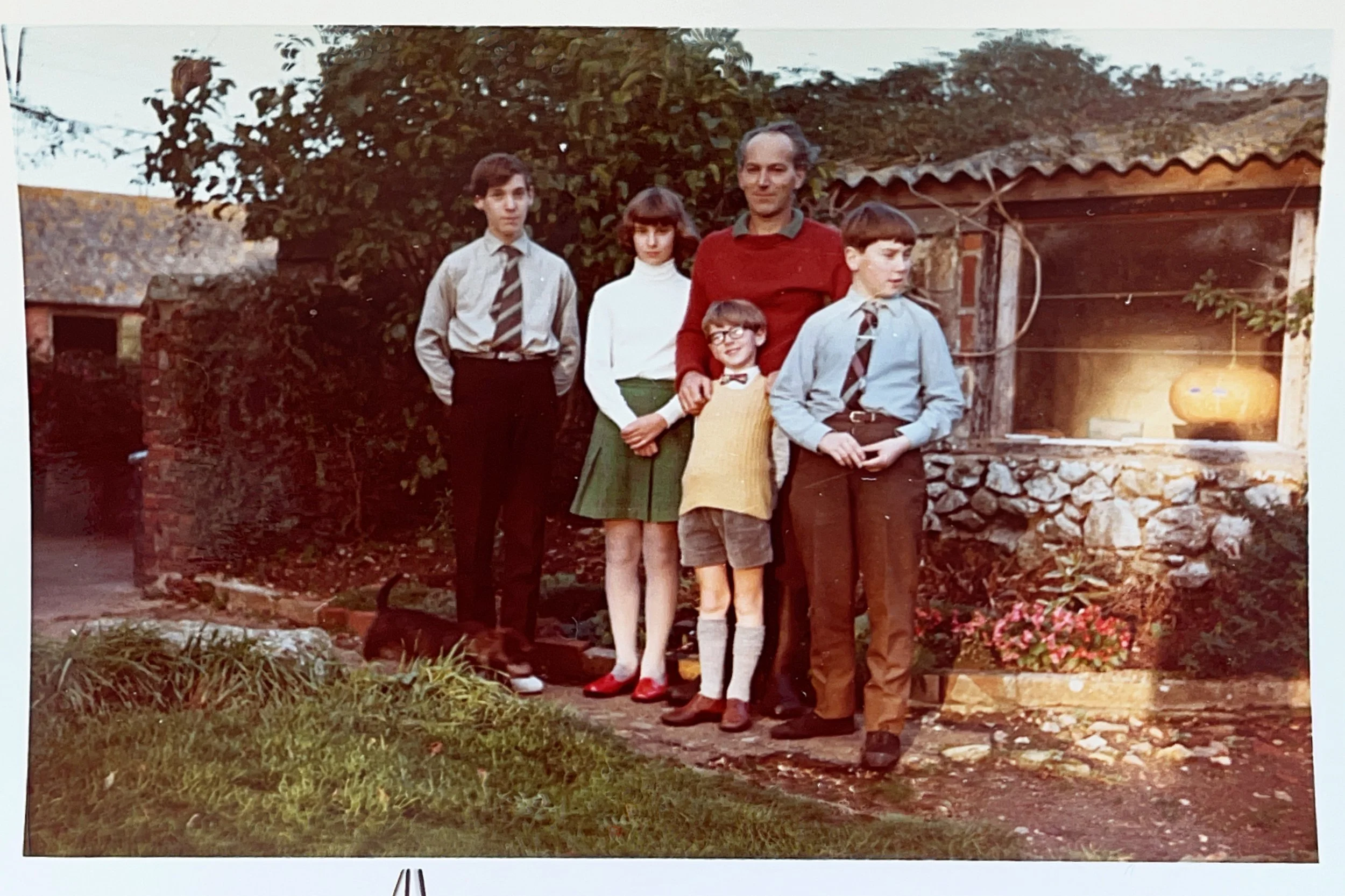
It made me smile, but it also made me reflect on how early we learn the art of "masking." As we grow up—and especially as we step into corporate environments—many of us learn to hide the parts of ourselves that feel too different, too vulnerable, or out of step with expectations.
With Pride Month in mind, I’ve been thinking a lot about what inclusion actually achieves. Creating a workplace that actively protects, respects and makes space for people who are different isn't just about policy or seasonal visibility. It is about psychological safety. When you build a culture that makes it safe for marginalised communities to take off their masks, you build a culture that makes it safer for everyone to be human.
Because eventually, life happens—and the mask falls off whether you want it to or not.
This year has been difficult for our family. We have lost a close family friend, I have lost both my brothers to cancer, and my husband Robert lost his mother. Grief doesn't respect corporate calendars or workload demands. It doesn't always look like tears, either. More often, it shows up as brain fog, bone-deep exhaustion and low capacity.
A few days ago, the weight of it all caught up with both of us. Neither of us had slept. I couldn't get any meaningful work done, and before long, we were snappy and short with each other. The professional, put-together facade was gone.
In a traditional work environment, low productivity or irritation is often met with pressure or performance management. But what we actually needed—and what good leadership requires—was understanding and kindness.
We called a truce. We acknowledged that we were simply at capacity, stopped forcing the day to be something it couldn't be, and rescued the evening with a simple supper in the garden and a glass of wine.
Crucially, a low-capacity day—or even a low-capacity season—is not the same as poor performance. Knowing the difference is what defines a truly great manager. Chronic underperformance stems from an ongoing issue of skill, fit, or engagement, and it requires clear boundaries and accountability. A temporary drop in capacity is a human condition that requires understanding, flexibility, and space to recover. Treating exhaustion as a performance problem only breaks trust.
As leaders, our primary job isn't monitoring output; it’s reading the room and cultivating humanity. If your team feels they have to mask who they are—whether that’s hiding their true identity or hiding the fact that they are drowning—they will never tell you when they need help.
When we give people the space to show up as their authentic selves, we don't just welcome the child in the bow tie. We create a safe space for the person carrying quiet grief, ensuring that when the hard days come, they know it’s okay to step back, catch their breath and regroup.
Beyond Output: 4 Ways Managers Can Create True Psychological Safety
If leadership is about people, then management must be about capacity and empathy. When life hits your team hard—or when someone is simply struggling under the weight of everyday pressures—here are four practical ways to move from "performance monitoring" to genuine support:
1. Recognise the Difference Between Capacity and Capability
Grief, burnout and personal crisis temporarily shrink an individual’s operational capacity, but they do not erase their core capability. When a normally reliable, high-performing team member starts struggling, treat it as a temporary capacity constraint—not a permanent capability flaw. Start with curiosity, not correction. Save formal performance management for structural, repeated patterns, and offer understanding and kindness when capacity is simply stretched thin.
2. Normalise "Calling a Truce" on Low-Capacity Days
We are not built to operate at 100% capacity 365 days a year. When you notice a colleague or direct report hitting a wall, give them explicit permission to adjust the sails. Reprioritise their task list together, push back non-urgent deadlines, or encourage them to log off early to reset. Normalising low-energy days prevents short-term fatigue from turning into long-term burnout.
3. Build the Umbrella Before the Storm Arrives
Psychological safety cannot be manufactured in a crisis; it is built in the quiet, everyday moments. When leaders foster an environment that actively celebrates diversity, accepts different communication styles, and encourages authenticity (bow ties and all), team members learn that it is safe to be vulnerable. Inclusion isn't a June campaign—it's the daily practice of making space for human variability.
4. Model Vulnerability from the Top
Teams take their cues from their leaders. If you pretend to be an unshakeable robot who never sleeps poorly, never makes mistakes, and never takes a breath, your team will feel forced to wear the same mask. Sharing appropriate bits of your own humanity—including the days when you need to step back and regroup—gives everyone else permission to be human, too.
💬 How do you approach managing capacity and psychological safety within your own teams? I’d love to hear your thoughts—join the conversation over on my LinkedIn post.
